


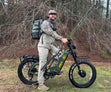


eBikes vs Dirt Bikes: Which One Is Right for You?
Off-road riding has evolved fast, and today riders have more options than ever. Two of the most popular choices are electric bikes (eBikes) and traditional gas-powered dirt bikes. While they may look similar on the trail, they’re built for very different types of riders and riding conditions.
The real question isn’t which one is “better,” but which one fits your lifestyle, terrain, and expectations. Whether you’re hunting remote backcountry, exploring trail systems, or just looking for a fun outdoor machine, understanding the differences between eBikes and dirt bikes can help you make the right investment.
Below is a realistic breakdown of what each offers, who they’re best for, and where each one shines.
Performance and Power Differences
Dirt bikes are built around raw power and endurance. Since they run on gasoline, they deliver sustained performance for long stretches of time. Fueling up takes minutes, not hours, and a full tank can get you far into remote trail systems without worrying about access to power. This makes dirt bikes ideal for riders who spend long days riding hard or traveling long distances.
eBikes are built for quick, efficient bursts of power. They accelerate smoothly and deliver strong low-end torque, which makes them great for climbing and navigating tighter terrain. However, they rely on battery life, and charging takes significantly longer than refueling. That means ride planning matters more — you need to account for distance and charging access.
If your rides are shorter and more controlled, eBikes feel effortless. If your rides are long and demanding, dirt bikes usually take the edge.
Durability and Build Design

Dirt bikes are designed to handle abuse. They’re built for crashes, rocks, jumps, and rough trail environments. Frames and components are beefier, and they’re expected to survive heavy impacts. Replacement parts are usually easy to find, and most mechanical components can be rebuilt or repaired over time.
eBikes are durable — but more dependent on brand quality. A well-built hunting or off-road eBike can be very tough, but lower-quality brands can struggle with heavy trail use and lack consistent replacement part availability. With the right manufacturer, this isn’t a problem, but it’s something buyers should research before committing.
In short: dirt bikes are built like tanks, while good eBikes depend heavily on build quality and manufacturer support.
Ease of Control and User Experience
This is where eBikes tend to win for many riders.
eBikes have very intuitive controls. Throttle assistance, pedal assist, and braking systems feel familiar, even to beginners. They’re easy to balance, slow-speed handling is smoother, and the learning curve is generally quicker.
Dirt bikes take more skill to control. Clutches, higher power output, and aggressive throttle response can make them harder to master. For experienced riders this is part of the appeal, but for beginners, they can feel overwhelming.
If you want something that feels more approachable and controlled, eBikes hold a real advantage.
Maintenance Realities
Dirt bikes require more frequent maintenance. They have engines, transmissions, exhaust systems, and many moving parts. Oil changes, filter replacements, and mechanical wear are part of ownership. The upside? They are highly rebuildable. If something fails, you often replace or rebuild it piece by piece.
eBikes are mechanically simpler. No combustion engine, fewer moving parts, and generally lower ongoing maintenance. The battery and motor are your main concerns, and long-term servicing depends heavily on manufacturer support.
Dirt bikes require more hands-on mechanical work, while eBikes lean toward convenience — as long as you choose a reliable brand.
Weight and Transport Considerations

Weight matters more than people realize. Dirt bikes often weigh around 230 pounds, which makes loading, transporting, and maneuvering more difficult, especially if you’re riding solo. You typically need a truck, trailer, or specialized rack.
eBikes are significantly lighter. That makes them easier to transport, easier to lift onto racks, and more manageable when navigating tight spaces or recovering from tricky spots on the trail.
If you travel often or want simpler transport logistics, this alone can be a deciding factor.
Noise and Trail Presence
Noise is another major distinction. Dirt bikes are loud. That roar is part of their identity, but it can limit where you can ride and how discreet you can be in certain environments.
eBikes are much quieter. Instead of a roar, they produce a soft whine that blends into natural surroundings. This is especially important for hunters, wildlife photographers, and anyone who values stealth. If quiet access matters, eBikes clearly lead.
Range and Ride Purpose
This is where the platforms naturally split. eBikes are excellent for:
- Short to medium distance rides
- Quick access to trail systems
- Easy at-home charging
- Quiet scouting and access
Dirt bikes are stronger for:
- Long-haul riding
- Extended off-road travel
- High-speed trail riding
- Areas far from power access
Neither is “better” — they simply serve different missions.
Which One Is Right for You?
Choose an eBike if you:
- Want quieter trail access
- Prefer intuitive controls
- Ride shorter distances
- Want convenient home charging
- Value lighter weight and easier transport
Choose a dirt bike if you:
- Need maximum range
- Ride aggressive trails
- Want rebuildable mechanics
- Don’t mind noise
- Prioritize long, uninterrupted rides
Final Takeaway
Hunting eBike vs dirt bike is an age-old debate, but they aren’t competitors as much as they are tools for different jobs. Dirt bikes offer endurance, durability, and raw mechanical strength. eBikes offer simplicity, stealth, and accessibility. The “right” choice depends on how far you ride, how often you ride, and what kind of terrain you prefer.
Both platforms are capable—it’s just a matter of matching the machine to your mission.
Tackle Every Trail with Birch

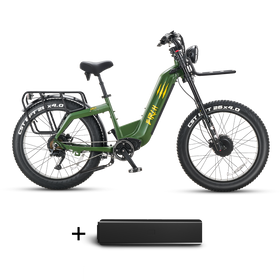
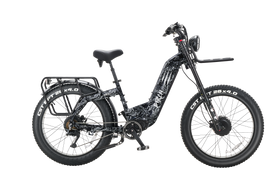
If quiet access, lightweight handling, and trail-friendly design matter to you, Birch hunting eBikes are built specifically for real-world conditions. Whether you’re scouting, hauling gear, or navigating difficult terrain without spooking wildlife, Birch eBikes give you reliable power, smart control, and rugged performance built for serious outdoor use.
Explore Birch hunting eBikes and find the right setup for your terrain.


Leave a comment
All comments are moderated before being published.
This site is protected by hCaptcha and the hCaptcha Privacy Policy and Terms of Service apply.