

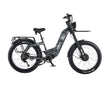
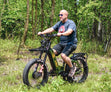
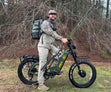

Conquer Every Summit. Unstoppable drive meets all-terrain capability with Birch eBikes.
Dig deep and go the distance with Birch Mountain eBikes. These all-terrain, AWD eBikes take on the harshest conditions without a scratch. Rocky trails, muddy paths, steep inclines—Birch rugged eBikes tackle them all with adaptive drive-modes and ample torque. Fat tires add stability and grip across all terrains, making Birch the ultimate stop for mountain bikes.
Learn More
Why the Birch Cruiser Bike Stands Out
Our dual-750W hub motor eBike with hardtail suspension delivers incredible power when you need it. 1500W to conquer any terrain and fat 26” x 4” tires for superior grip and stability. Switch between front, rear, dual, or self-adaptive drive modes for customizable riding on the Birch Grolar.

Birch Direwolf
Our 1000W mid-drive eBike is built with superior climbing abilities, designed to scale summits like a breeze. With a mid-drive motor to distribute weight and maintain better efficiency, the Direwolf eBike is agile and precise on every ride. Fat 26” x 4” tires offer great stability and grip for steep climbs.
Everything You Want to Know About Beach Mountain Bikes
What is a good mountain bike?
A good mountain bike offers stability, comfort, and enough power to ride on soft, uneven surfaces.
The Birch mountain bike gives:
- Upright riding posture for comfort and visibility
- Fat tires and front suspension for a smooth ride
- Electric assist with dual motors and AWD for power when you need it
It’s not just a looker—it’s built to perform in real life conditions.
Why buy a mountain cruiser?
Mountain cruiser bikes are perfect for relaxing rides along the coast, but Birch takes it to the next level.
With our electric cruiser, you can:
- Explore farther without tiring, thanks to the long-range battery
- Climb hills, ride through sand, or tow gear without strain
- Use it daily for errands, fitness, or leisure rides
Get the comfort of a cruiser with the muscle of an off-road eBike.
What accessories can I add to my mountain cruiser?
Customize your Birch Cruiser eBike for every beach adventure with:
- Rear rack + waterproof pannier bags for towels, snacks, and mountain gear
- Phone mount with USB charging for GPS and music
- Passenger seat or pet trailer for bringing a friend or furry companion
- High-powered lights and mirrors for safe rides after dark
- Surfboard rack or trailer hitch for serious weekend outings
Birch is designed to be modular—add what fits you.
Can a cruiser bike go uphill?
Most beach cruisers struggle with hills—Birch doesn't.
With dual 750W motors and 160Nm torque, this electric cruiser can:
- Handle steep inclines without stalling
- Maintain control on wet or loose terrain
- Let you choose between full-throttle or pedal-assist modes depending on your energy
This cruiser climbs like a mountain eBike but rides are as soothing as a beach cruiser.
| Accessory | Category | Description & Use Case |
|---|---|---|
| Waterproof Rear Rack Bag | Storage | Keep valuables safe and dry while cruising—also great for beach towels, snacks, and tools. |
| Passenger Rear Seat + Foot Pegs | Comfort | Bring a friend or loved one along for the ride—safe and easy to install on the rear rack. |
| Surfboard Rack | Adventure | Attach your shortboard or longboard securely for beach days and surf sessions. |
| Phone Mount w/ USB Charging | Tech Upgrade | Navigate and charge your phone while cruising—perfect for music and GPS. |
| LED Spotlight + Bell Combo | Safety | Be seen and heard while riding at night or through dense coastal fogs. |
Let customers speak for us
Not junk just user error on my part
Very pleased with it so far. I’m not the smallest guy, and it fits great. Plenty power and stability. Ready to get in the woods and see how it improves my hunting.
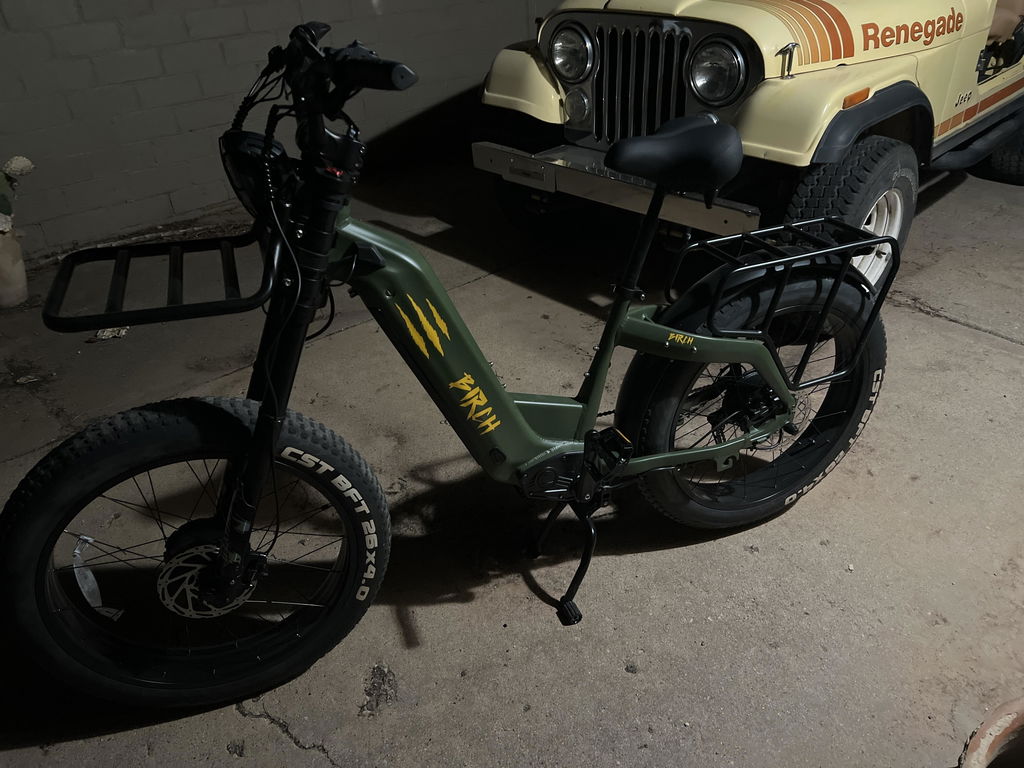
This “bike” is an absolute game changer. It is so much fun. It goes anywhere and is a blast on paved roads too. So glad this thing is in my life. Zero regrets wish I’d bought it sooner!
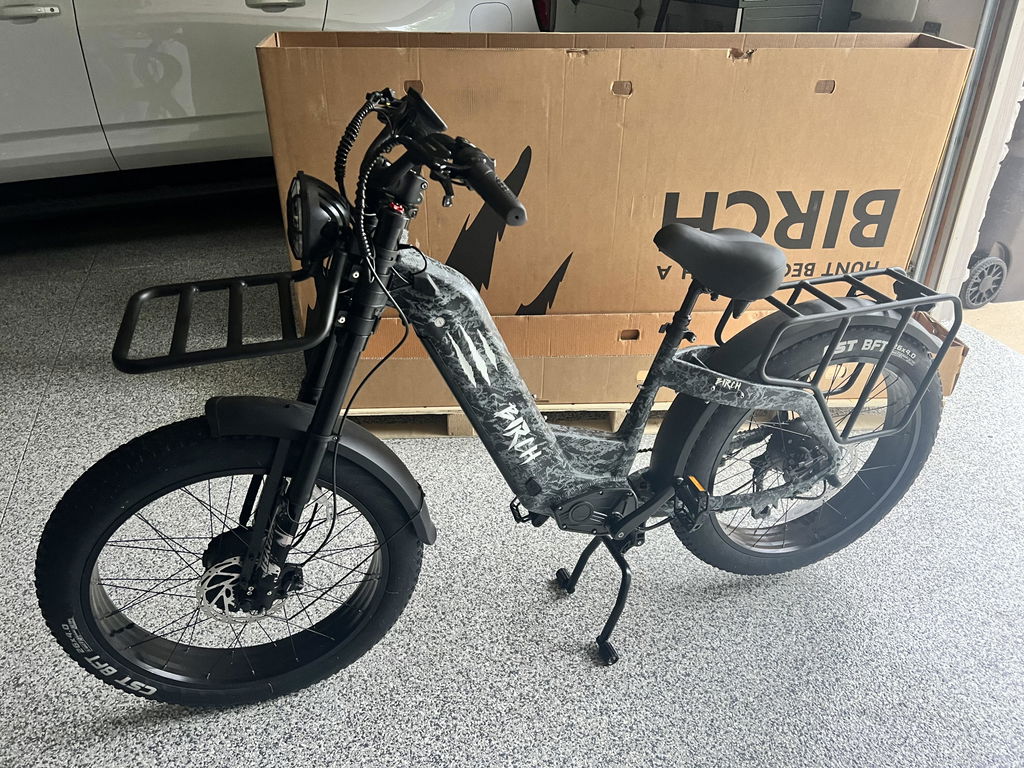
Bike is a beast! First ride for a big fella took me up a steep grade at 20 mph in awd mode, so far I love it!!
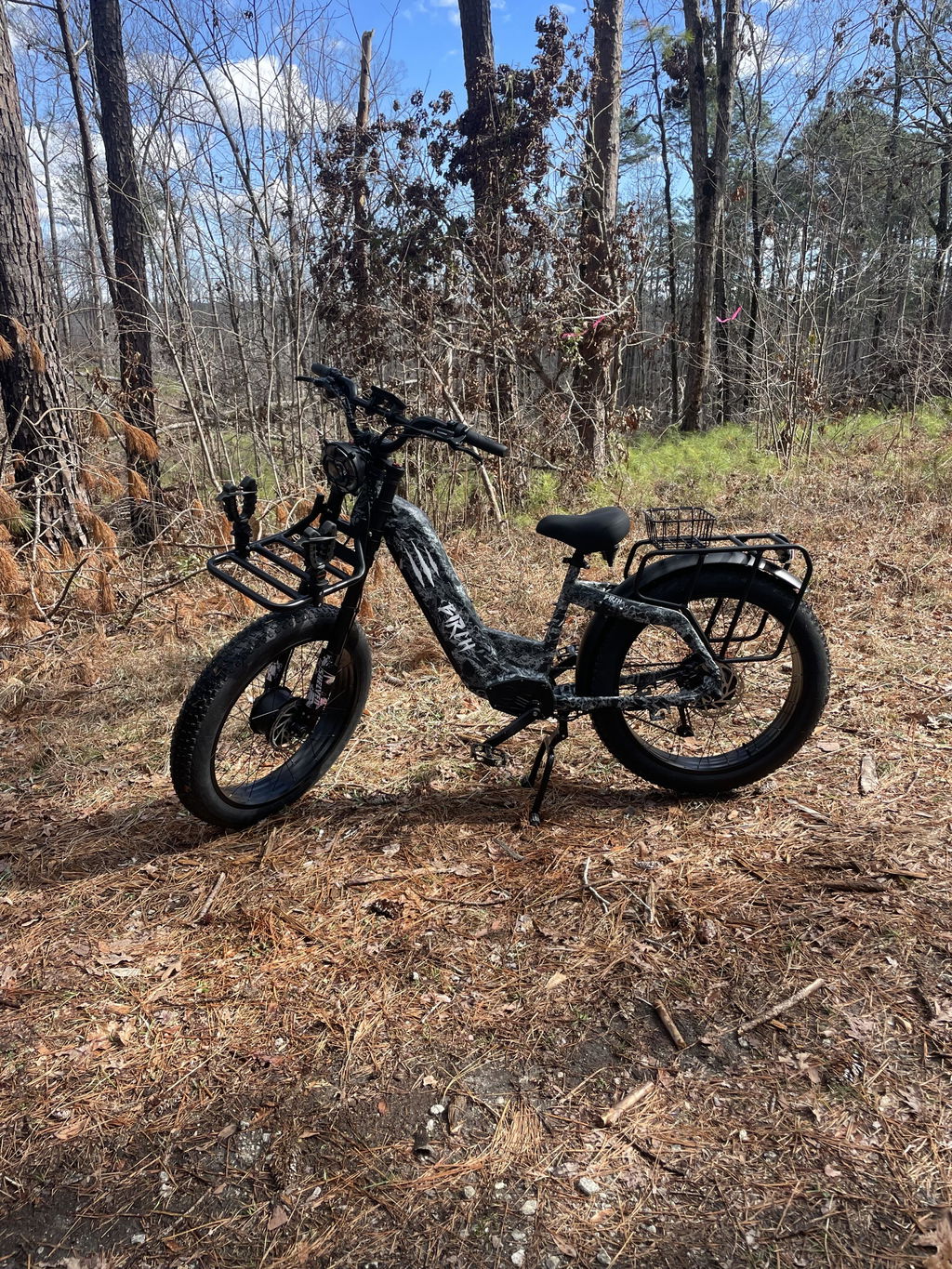
It’s hard to believe the amount of low end torque this bike has. I’ve only put 30 miles on it so far but haven’t found a hill that I can’t climb. I bought this bike to hunt the hill country in southern Ohio and I think it will be a perfect fit. I’ll use it to get to and from my stands quietly and I really believe I’ll be able to carry feed to my feeders as well as check cameras, not to mention getting to my stands without leaving a scent trail. And as a bonus, hopefully dragging out my deer. I’ll be leaving my 4wheeler at home. Thanks for a great product.
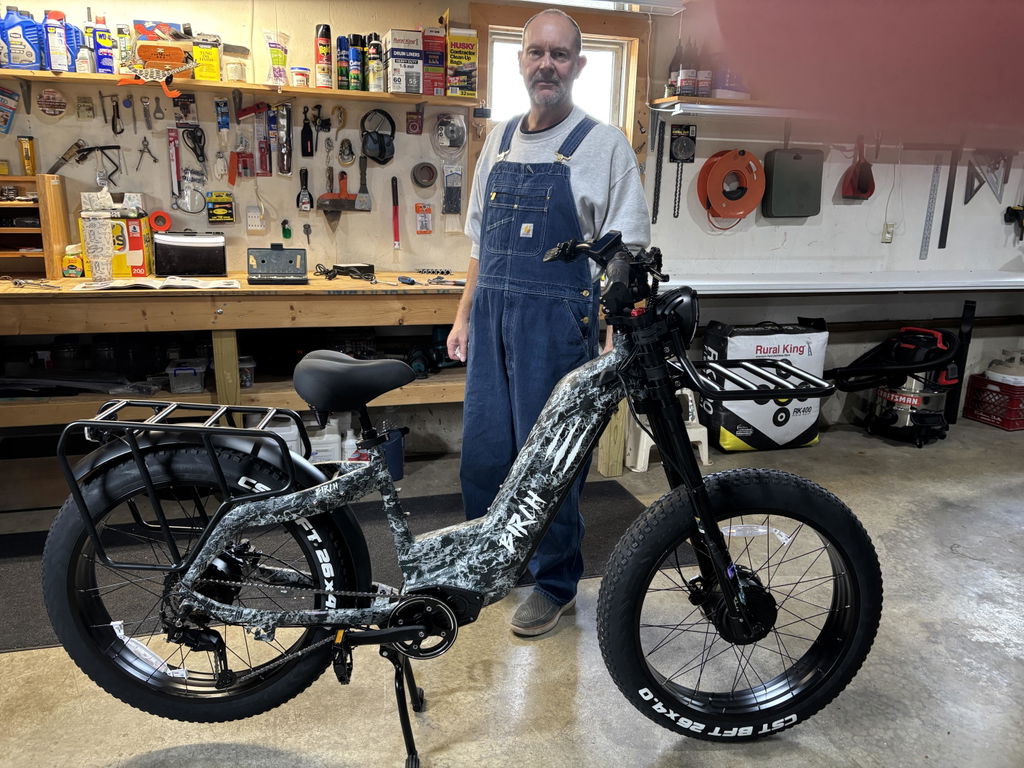
If you’re looking for something for off-road, this is it. You cant beat the two wheels that have power for going up hills. It is the most fun I have ever had on a bike. It is SUPER heavy duty. I’m 6’-2” 200# and it is like Im a toddler on it! It can handle a big guy. If you are larger and think there isn’t a bike for you, well check this one out. It is a beast!
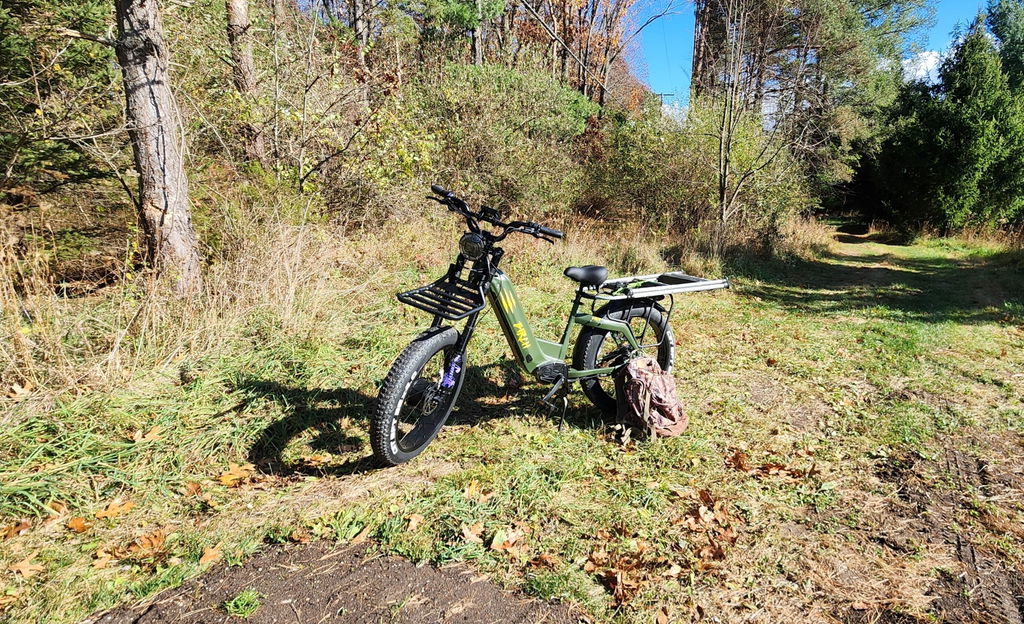
This is my first ebike experience. I had 4 criteria when shopping. 1. Step through frame. 2. AWD. 3. 26" tires. 4. Front/rear racks. The Grolar hits all those perfectly. The bike puts a smile on my face every time I ride it. I leave it in awd mode, as I like the acceleration. My only issue is no front fender. On a wet day, I get some spray. The battery catches most of it, but not all of it.
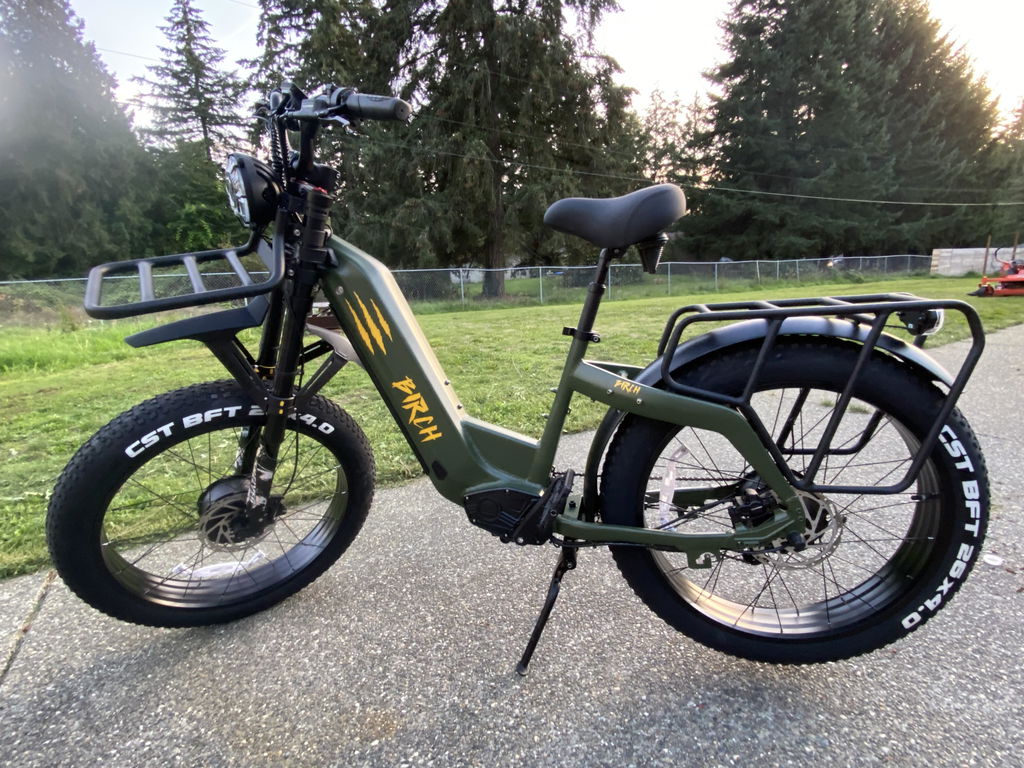
Good bike i know this is gen 1 but a few things happened . the front rack wore a hole threw the cable to the front motor, so lost the front motor at 37 miles , other issue is the toggle switch for power cover came off . this was probably damaged in shipping ,,I managed to get a claim started i think and hopefully i get a response , i just hate AI emails that are a auto generated
response! I would like to see Birch reach out to there customers in person , and stock all parts for these bikes , i know it’s a new company but WIRED N AVENTON carry all parts in stock and they call you back immediately, I do like the bike a lot and have a massive review on youtube about to air on this beast of a bike with all the likes n changes i made to make it near perfect for the big country we hunt here in the Cascades in Washington state !
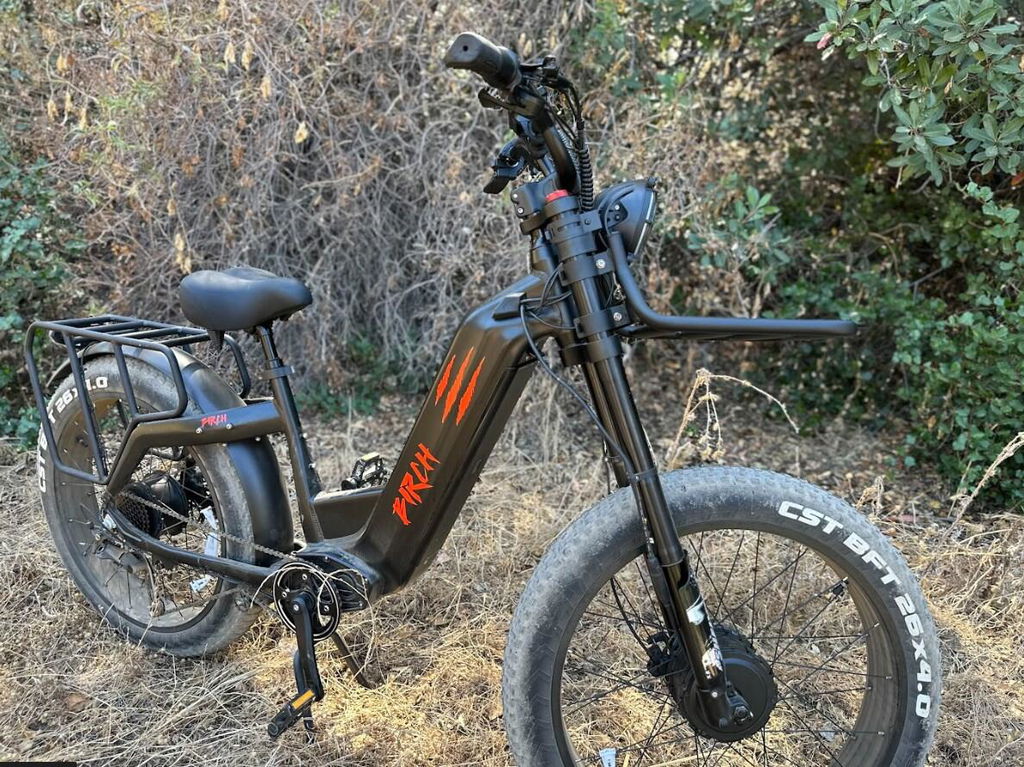
This bike is great for anyone who loves outdoor exploring. It handles uneven terrain super well and gives plenty of power to get over hills. I ride it through the woods and find it to be perfect for that landscape. My only recommendation would be to offer more options for hardware customization. Other than that it’s an excellent investment.
Great bike. It’s powerful and comfortale to ride, The battery also lasts quite long, I did run into a couple of issues, my front motor stopped working randomly. I’m hoping Birch responds soon. If they improve customer service and stock parts better, this bike would be perfect. I’m still happy with the purchase overall.

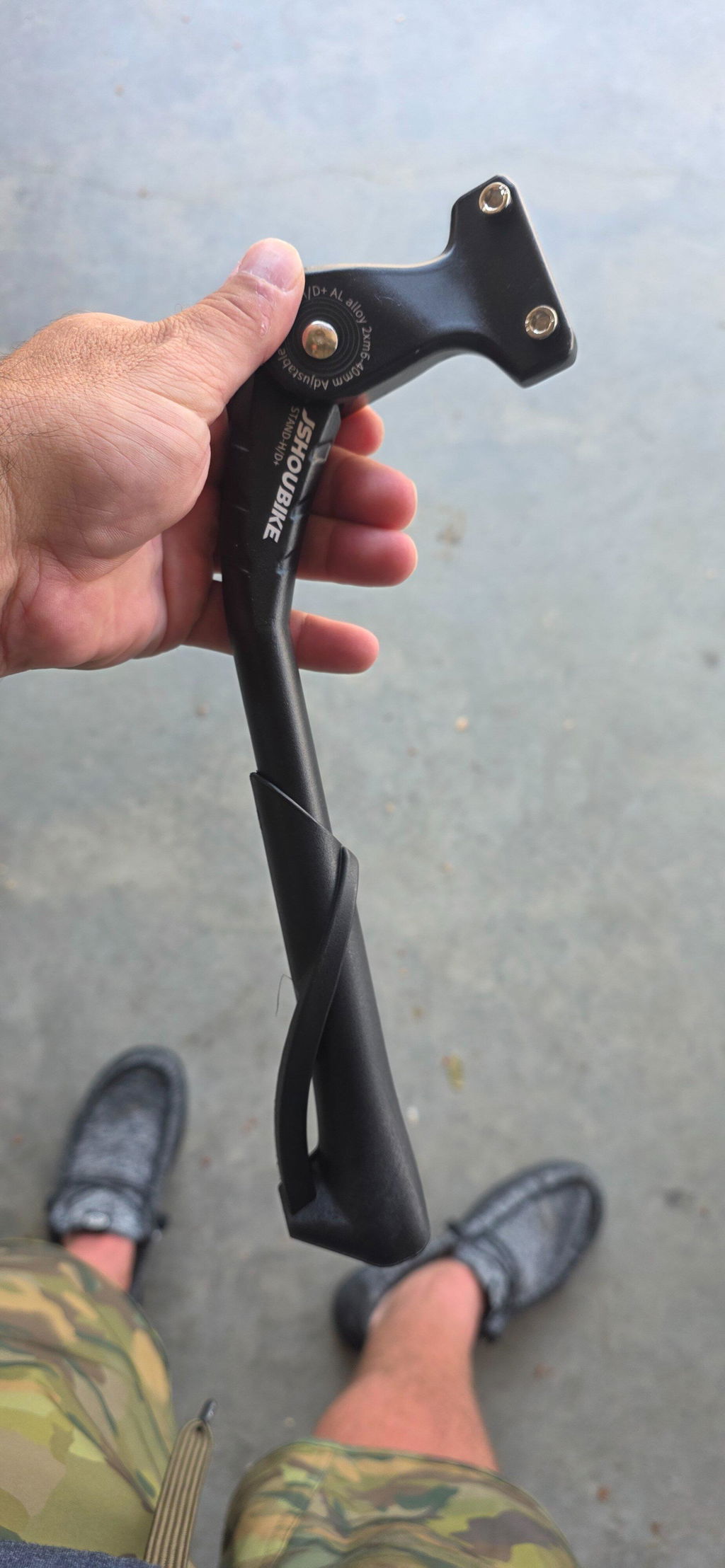
Part came in as expected

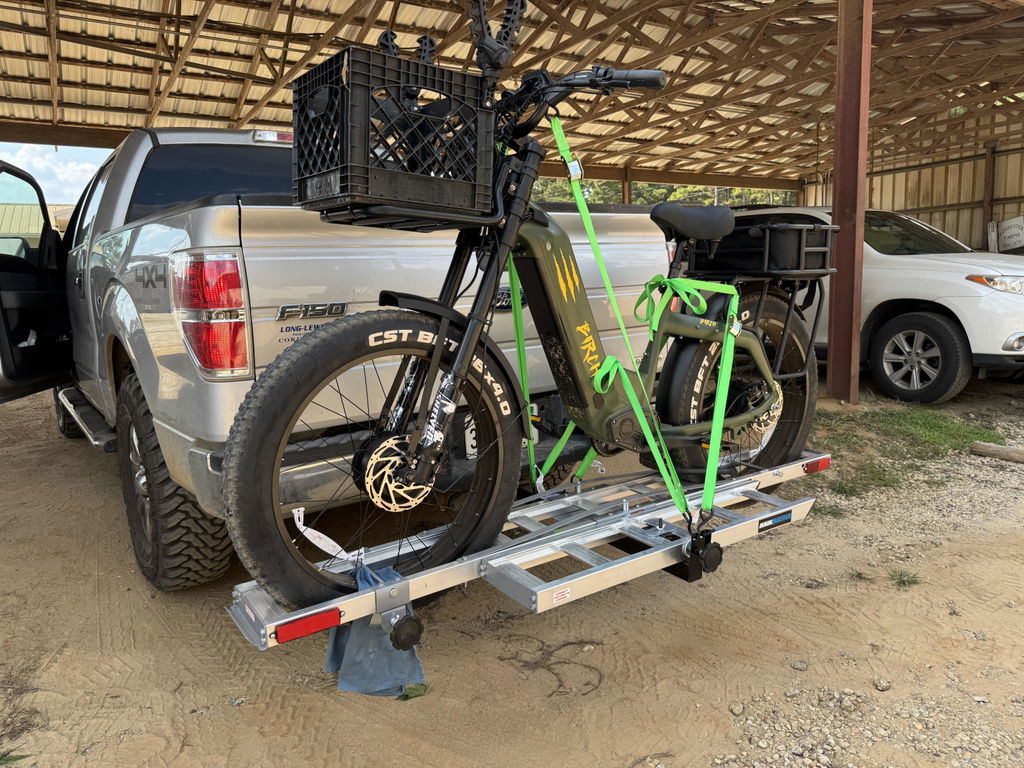
Hunting ebike trailer

This bike is just what is is described to be. A true heavy duty hauler and long range ride. After only one 10 mile round trip here are my thoughts.
Pros. Solid and thoughtful design. Hauls gear well. Great ride. Solid- built like a tank, more like a dirt bike than a MTB. It is heavy and big. I am 6'4" and it is a comfortable ride. But, it is really heavy so when you stop, be ready to catch the weight. Thoughtful- easy controls and grip configuration, upright posture which is perfect for any application that requires looking around. Great ride- the front shock and seat shock make it easy to ride and the hard tail should make hauling a trailer easy once I get that configured. I strapped on about 40 lbs of gear and it was no problem traveling 10 miles round trip over moderate to rough dirt roads. And, only 15% battery usage on that trip. Bonus pro- Birch is an amazing company and their customer service is beyond what I've come to expect these days. They will absolutely work with you and proactively make any issue right.
Cons. Universal trailer compatibility. I purchased a 1 wheel Burley CoHo trailer to meet my needs and while it is a major brand with universal adapters,I'm struggling to fit it to the bike. Bike light placement. A small thing but the great light is mounted so that anything strapped to the front of the bike interferes with the light.
Very powerful and comfortable to drive. Handled pulling deer better than I expected.

Great mirror.
FAQs
Are electric bikes good for off-road?
Electric bikes aren't just good for off-road; in 2026, they’ve essentially become the "cheat code" for the backcountry. By combining high-torque motors—often pushing 90Nm or more—with a low center of gravity from mid-frame batteries, these bikes provide a "planted" stability that makes climbing loose, technical ridges feel more like a controlled ascent than a desperate struggle for traction. While a traditional mountain bike rewards pure physical grit, an e-bike acts as a force multiplier, allowing you to scout twenty miles of rugged valley in the time it used to take to hike five, all while keeping your heart rate out of the "red zone." Just keep in mind that with great power comes a bit of extra heft—usually 50 lbs or more—and a few more trail regulations, so you’ll want to ensure you’re riding a Class 1 machine if you plan on hitting the most popular non-motorized singletrack trails.
How does an electric mountain bike (eMTB) work?
An eMTB functions less like a moped and more like a bionic upgrade for your legs, acting as a force multiplier that only engages when you are actively pedaling. At its core, a mid-drive motor—positioned at the cranks to leverage the bike's existing gear cassette—uses a torque sensor to measure exactly how much pressure you’re applying to the pedals. This data is fed to a central controller that pulls energy from a high-capacity Lithium-ion battery (measured in Watt-hours) to match your effort by a specific percentage, whether that’s a subtle 50% boost in "Eco" mode or a staggering 340% surge in "Turbo." Because the motor’s output is tied directly to your physical input, the power delivery feels intuitive rather than jerky, essentially flattening 1,200-foot climbs while ensuring the machine remains a bicycle at heart rather than a motorized intruder.
What is the best electric bike for hills?
In 2026, the undisputed champion for climbing is a high-torque mid-drive e-bike, specifically one pushing at least 85-100 Nm of torque. Unlike hub motors that can overheat and lose efficiency on sustained inclines, a mid-drive system—such as the Bosch Performance Line CX or the high-output motors found in Birch hunting bikes—leverages the bike's actual gear cassette, allowing the motor to "downshift" just like you do to maintain peak power without draining the battery. If you are tackling vertical 1,200 -foot ridges or loose, technical terrain, an All-Wheel Drive (AWD) model is the ultimate choice, as the front-wheel "pull" prevents the front tire from lifting on steep grades while providing the dual-motor grunt needed to flatten 30% inclines. To ensure you don't stall out halfway up, prioritize a 52V or 72V system, which provides the consistent voltage necessary to keep the motor "punchy" even when the battery is under heavy load.
What are the benefits of a Fat Tire e-bike for mountain biking?
In 2026, the primary benefit of a fat tire e-bike for mountain biking is its sheer unstoppability across terrain that would swallow a standard tire whole. By running oversized 4-inch to 5-inch tires at incredibly low pressures (often between 5–15 PSI), these bikes create a massive contact patch that acts like "snowshoes for your ride," allowing you to float over deep sand, mud, and fresh snow rather than sinking and stalling. This extra volume provides a layer of natural suspension that mutes bone-jarring roots and rocks, significantly reducing rider fatigue on long backcountry expeditions. While they may lack the surgical precision of a slim-tired eMTB on tight singletrack, their "monster truck" stability makes them the ultimate tool for beginners seeking confidence or seasoned hunters like Dave who need to haul heavy gear through unpredictable, off-trail wilderness without losing traction.
What’s better, full suspension or hardtail?
Choosing between a full suspension and a hardtail e-bike in 2026 comes down to a trade-off between "plush control" and "rugged simplicity." A full suspension model, featuring both front and rear shocks, is the gold standard for technical mountain biking; the rear suspension keeps your tire "glued" to the ground for superior traction on rooty climbs and saves your back by soaking up bone-jarring hits on high-speed descents. On the other hand, a hardtail—which lacks a rear shock—is lighter, more affordable, and significantly easier to maintain, making it the ideal "workhorse" for gravel roads, long-distance scouting, or riders like Dave who prioritize hauling heavy gear over flying down rocky singletrack. While the motor effectively erases the weight penalty of full suspension, many backcountry explorers still opt for the hardtail for its mechanical reliability and lower long-term service costs in harsh, muddy environments.
What’s the difference between a hub motor and a mid-drive motor?
The core difference between these two systems in 2026 lies in where the power enters the bike, which fundamentally dictates how it handles steep terrain versus flat roads. A mid-drive motor is positioned at the cranks (between your pedals) and drives power through the bike's chain and gears; this allows the motor to "downshift" for mechanical leverage, making it the undisputed king for 1,200-foot climbs and technical off-road trails. In contrast, a hub motor is built directly into the center of the wheel (usually the rear) and operates independently of your gears. While hub motors are quieter, more affordable, and can often get you home with a throttle even if your chain snaps, they lack the "gearing intelligence" of a mid-drive, meaning they can struggle with overheating or efficiency loss on the very steep, sustained inclines where a mid-drive thrives.
What’s the difference between a hub motor and a mid-drive motor?
The fundamental difference between these two systems in 2026 lies in where the power enters the bike, which dictates how the machine handles steep terrain versus flat roads. A mid-drive motor is positioned at the cranks (between your pedals) and drives power through the bike's chain and gears; this allows the motor to "downshift" for mechanical leverage, making it the undisputed king for 1,200-foot climbs and technical off-road trails where torque requirements can exceed 90Nm. In contrast, a hub motor is built directly into the center of the wheel (usually the rear) and operates independently of your gears. While hub motors are quieter, more affordable, and can often get you home with a throttle even if your chain snaps, they lack the "gearing intelligence" of a mid-drive, meaning they can struggle with overheating or efficiency loss on the very steep, sustained inclines where a mid-drive thrives.
How far can I go on a single charge?
In 2026, the honest answer to "how far" is a range rather than a single number: for most modern e-bikes, you can expect between 25 and 65 miles on a single charge. While manufacturers often tout "up to 100 miles," that figure usually assumes a 150-lb rider on perfectly flat pavement in the lowest assist mode; in the real world, factors like Michigan’s 1,200-foot ridges, headwind, and cold temperatures can slash that estimate by 30–50%. To get a true sense of your bike's "fuel tank," look at the Watt-hours (Wh): a standard 500Wh battery is great for a 30-mile commute, but if you’re heading off-road or hauling gear, you’ll want a 750Wh or 1,000Wh system to ensure you aren’t pedaling a 50-lb bike home on leg power alone.
Can I use a mountain ebike in wet or muddy conditions?
In 2026, mountain e-bikes are engineered with robust IPX6 water-resistance, meaning they are perfectly capable of handling rain-soaked trails and heavy mud baths without compromising their sensitive electronics. While the motor and battery are sealed against high-pressure splashes, the real challenge in wet conditions is traction and maintenance: dropping your tire pressure by about 5–10 PSI will significantly increase your contact patch for better grip on slippery roots, but you must avoid submerging the bike in deep water that could overwhelm the seals. After a messy session, a gentle rinse with a garden hose—never a high-pressure power washer—followed by a thorough drying of the battery contacts and a fresh coat of "wet" chain lube will prevent the grit and moisture from prematurely wearing down your drivetrain or causing corrosion.