


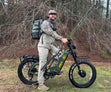


Riding a Fat Tire Ebike in Deep Snow
There's a moment — and if you've experienced it, you'll never forget it — when you drop your tire pressure, twist the throttle, and feel your fat tire ebike just float across a field of untouched powder. No sinking. No spinning out. Just you, the hum of an electric motor, and a winter landscape that most cyclists would never dare enter. That's the magic of riding a fat tire ebike in deep snow, and once you try it, summer riding will never feel quite the same.

Why Fat Tires Change Everything in Snow
Standard bike tires punch through snow like a knife through butter — and not in a good way. They sink, lose momentum, and leave you wrestling your bike more than riding it. Fat tires operate on an entirely different principle.
With widths ranging from 4 to 5 inches, fat tires create a massive contact patch that distributes your weight across the snow's surface rather than concentrating it in one spot. Think of it like the difference between stilettos and snowshoes. This "floatation" effect can reduce ground pressure by up to 70%, allowing you to glide over terrain that would swallow a conventional bike whole.
Add an electric motor to the equation — delivering smooth, consistent torque without the surge and spin of a panicked pedal stroke — and you have a machine genuinely built for winter.

Getting Your Setup Right Before You Ride
Tire Pressure: The Single Most Important Adjustment
If there's one thing every experienced snow rider agrees on, it's this: let the air out. For deep snow riding, most riders drop their tire pressure to somewhere between 4 and 8 PSI. This allows the tire to deform slightly and mold to the snow's surface, maximizing the contact patch and creating that coveted floating sensation.
Going too low, however, risks rim strikes if you hit a hidden rock or root beneath the snow. A good starting point is around 6–7 PSI, then experiment from there based on snow type and your body weight. Lighter riders can go lower; heavier riders should stay toward the higher end of that range. The general rule? When in doubt, let it out — just not all of it.

Choosing the Right Tread
Not all fat tires are created equal for snow duty. You want deep, aggressive lugs with channels between them. The lugs dig into the snow for grip, while the channels shed accumulated snow and slush from inside the tread, preventing the tire from turning into a smooth, useless cylinder of packed ice.
For icy or hardpack conditions, consider studded tires. Metal carbide studs bite into frozen surfaces in a way that no rubber lug can replicate. They're a game-changer on glazed trails, though they add weight and rolling resistance on softer snow.
Protect Your Battery
Cold weather is the natural enemy of lithium batteries. A battery that shows 80% charge in your warm garage might drop to 60% the moment it hits sub-freezing temperatures. A few simple steps make a big difference: store your battery indoors overnight, carry it inside to warm up before your ride, and try to keep it out of direct wind exposure while riding. Use eco or lower assist modes when you can — they'll extend your range and keep the battery from working so hard in the cold. Never store a completely drained battery in freezing temperatures.
Riding Technique for Deep Snow
Go Smooth, Not Fast
Deep snow rewards patience. Sudden throttle bursts cause wheel spin; sharp steering inputs cause washouts; hard braking causes skids. Everything you do on a fat tire ebike in snow should be slow, deliberate, and smooth. Treat the controls like they're made of glass.
Keep your weight centered on the bike, or shift it slightly rearward to maintain traction on the rear wheel. Use wide, sweeping turns instead of sharp angles. When climbing, maintain a steady, moderate power level — don't go full throttle hoping to power through. And when descending, start braking early. Your brakes may feel less responsive in the cold, so test them before you need them urgently.
Read the Snow
Not all snow is the same, and learning to read it is half the battle. Packed snow and groomed trails are your best friend — they offer a firm surface that fat tires grip beautifully. Crusted snow (where the surface has frozen overnight) can also be excellent riding.
Fresh, deep powder is the most challenging. Tires sink further, resistance increases, and momentum is your greatest asset — once you slow down too much, you may stall out entirely. In truly soft powder, sometimes the wisest move is to dismount and walk through a short section rather than burning your battery spinning out.
Avoid slushy snow when possible. It creates drag, throws grime into your drivetrain, and refreezes into treacherous ice patches. If you do ride through slush, clean your bike thoroughly afterward.
Use Lower Assist Modes
This feels counterintuitive — shouldn't you use more power in harder conditions? In deep snow, lower assist modes actually give you more control. Higher modes deliver sudden torque that spins the rear wheel and bucks the bike. A lower, more consistent power delivery keeps the tires biting rather than spinning.
What to Wear
Deep snow riding is physically demanding and the wind chill is real. Dress in moisture-wicking base layers that pull sweat away from your skin, insulating mid-layers to retain warmth, and a windproof outer shell to block the cold air rushing past you at speed.
Pay special attention to extremities. Your hands and feet are the first things to go numb, and numb hands can't brake properly. Insulated gloves (or bar mitts — handlebar covers that create a warm pocket around your grip) are invaluable. Insulated, waterproof boots and a balaclava or helmet liner round out the kit. Visibility drops in winter conditions, so add reflective gear and make sure your lights are charged.
What to Expect Out There
The first thing you'll notice is how quiet it is. Snow absorbs sound, and with a near-silent electric motor, you'll feel genuinely immersed in the winter landscape. The second thing you'll notice is that everything takes longer. Speed drops significantly compared to dry trail riding. Distances that feel easy in summer become real workouts in deep snow — you'll burn more energy, the cold will fatigue you faster, and battery range decreases. Plan shorter routes than you normally would and build in a margin for the unexpected.
The payoff, though, is something difficult to describe to someone who hasn't felt it. There's a primal satisfaction to moving through terrain that looks completely impenetrable. Tracks in fresh powder that only you made. Views of a snow-covered world that most people only see from heated cars. Fat tire ebike riding in winter isn't just possible — it's one of the best ways to spend a cold day.
Quick Tips at a Glance
- Drop tire pressure to 4–8 PSI for deep snow (experiment to find your sweet spot)
- Use lower assist modes for better control and longer battery life
- Pre-warm your battery indoors before riding in cold temps
- Stick to packed or crusted snow when possible; treat fresh powder with respect
- Brake early and gradually — stopping distances increase significantly in snow
- Steer wide and smooth — sharp inputs cause washouts
- Consider studded tires if you frequently encounter ice or hardpack
- Clean your drivetrain after every ride to prevent slush and salt buildup
- Dress in layers and protect hands, feet, and face above all else
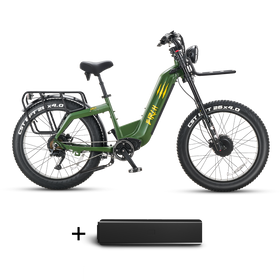
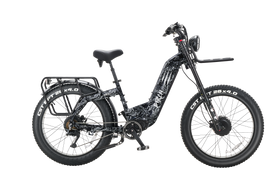
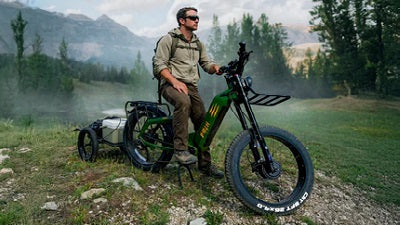
Whether you're a hunter gliding silently through a snow-covered forest on a Birch Grolar, a trail rider looking to extend your season, or just someone who refuses to let winter steal four months of riding — a fat tire ebike in deep snow is one of the most rewarding two-wheeled experiences there is. Gear up, let some air out of those tires, and go find some powder.




Leave a comment
All comments are moderated before being published.
This site is protected by hCaptcha and the hCaptcha Privacy Policy and Terms of Service apply.