


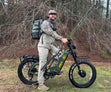


The Benefits of eBikes for Police Units

For many law enforcement agencies, traditional patrol cars serve their purpose—but they also come with limitations. Patrol units on foot encounter fatigue and mobility constraints, while vehicles often struggle in dense urban environments, parks, or bike paths. This is why more departments are turning to patrol eBikes and police eBikes as a versatile, cost‑effective solution.
Bicycle patrol units have long been praised for their community policing benefits—officers on bikes engage more frequently with citizens, access areas cars cannot reach, and bring a more approachable presence. For example, one study found that officers on bicycles averaged 7.3 public contacts per hour compared to 3.3 contacts per hour for car patrols.
But while bicycles improve visibility and interaction, they still rely entirely on physical pedaling and have a limited range. That’s where electric bikes for police—or eBikes—bring a significant leap forward.
Mobility, Speed & Coverage
One of the prime advantages of deploying a police eBike is the enhanced range and speed capability compared to standard pedal bikes. With motor assistance, officers can patrol longer stretches without fatigue, cover more ground, and respond faster to incidents. Electric bikes enable officers to ride further and longer than on a typical bicycle, which expands patrol routes and enhances visibility in the community.
In crowded or congested environments—such as pedestrian zones, events, and city parks—a patrol eBike offers nimble maneuverability. It can bypass traffic, traverse sidewalk ramps, and access park paths where cars cannot venture. For proactive patrol and rapid response, this mobility becomes a force multiplier.
Community Engagement & Visibility

Traditional patrol cars often act as barriers between officers and the community. Bikes, on the other hand, break down those barriers. Officers riding bikes are more approachable, frequently engage in conversations, and maintain higher levels of contact with citizens. As one department noted, bike-patrol officers are “not restricted by four rolled‑up windows” and can meet with local business owners, clergy, and community members more easily.
With patrol eBikes, those engagement benefits remain—but with enhanced range and endurance. The result is a visible, approachable law‑enforcement presence that covers more territory and maintains higher energy levels throughout a shift.
Tactical & Environmental Advantages
Beyond engagement, eBikes offer significant tactical advantages. They are quieter than motor vehicles, allowing officers to approach scenes with less noise and surprise potential suspects. In tight spaces—alleyways, trails, large events—they can sneak through where cars cannot, making them highly effective for foot‑accessible zones.
Furthermore, because they are electrically powered, patrol eBikes promote environmental responsibility and reduce operational costs. Several departments report lower maintenance and fuel expenses compared to patrol vehicles, while projecting a positive public image of sustainability and outreach.
Training & Deployment Considerations
Of course, transitioning to security eBikes or police eBikes is not automatic—it requires thoughtful planning and training. Departments deploying electric bikes for patrol duty have emphasized the importance of formal training in handling eBike characteristics, power assist settings, and safe operation in varied terrain or weather. One training article states that effective deployment is guided by a structured curriculum to ensure safety, readiness, and community trust.
Operational considerations also include equipment mounting, securing cargo for gear, lighting and sirens integration, and evaluating terrain suitability—from city streets to parks, trails, and off‑road zones. Agencies must ensure their eBike model matches their environment and tactical requirements.
Cost‑Effectiveness & Maintenance
Patrol eBikes typically cost a fraction of patrol cars while delivering high operational value. The smaller vehicles require less fuel (or none—when fully electric), reduced maintenance overhead, and often fewer licensing or registration burdens. For departments looking to expand patrol units without ballooning budgets, electric bikes for police offer a high‑return investment.
Why Birch eBikes Are Ideal for Patrol Use

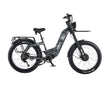
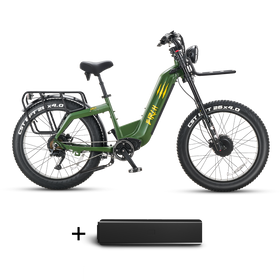
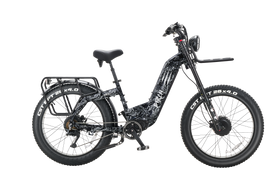
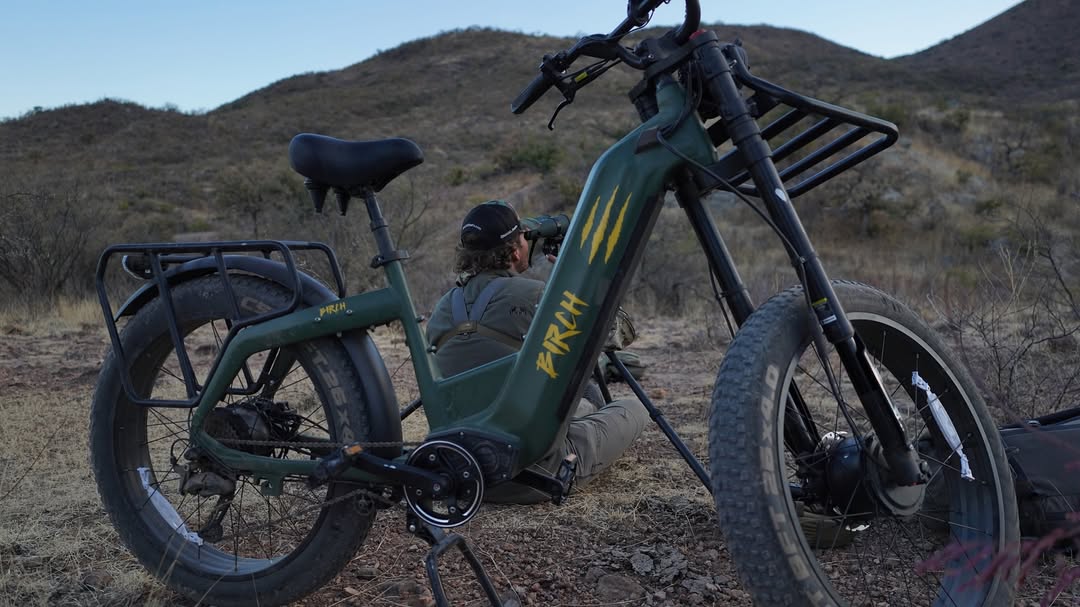
When it comes to selecting an eBike tailored for law enforcement or security patrol duty, the Birch Grolar stands out. Built for all‑terrain capability and demanding operational requirements, the Grolar features powerful dual 750W motors, robust 400lb cargo capacity, and an exceptional range up to 80 miles—allowing officers to patrol trails, parks, urban zones, and rough terrain alike. Whether mounted with gear, lights, or communication equipment, Birch delivers the power and stability necessary for modern patrol responsibilities.
With a design engineered to meet the demands of harsh environments, Birch provides the performance and versatility law enforcement agencies need when adapting to the evolving nature of patrol. If your unit is seeking a valuable upgrade to traditional bike patrol—even one suited for rough trails or multi‑surface environments—Birch is ready.
For departments ready to modernize their mobility, explore how Birch can enhance patrol coverage, increase engagement, and deliver tactical flexibility. Browse our bikes today and discover why Birch is a dependable partner for law enforcement on two wheels.



Leave a comment
All comments are moderated before being published.
This site is protected by hCaptcha and the hCaptcha Privacy Policy and Terms of Service apply.