


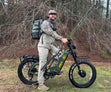

The Ridge I Used to Avoid Until I Got an eBike
How an all-terrain eBike changed the way I scout, hunt, and think about steep terrain.
There was one ridge I avoided for years.
Not because I couldn't climb it—but because I knew exactly how much energy it would cost before the hunt even began.
Like many hunters, I always believed the real challenge started after reaching my stand. Over time, I realized I was wrong. By the time I arrived, I'd already burned a significant amount of energy carrying gear uphill, catching my breath, and recovering before I could even start paying attention to the woods.
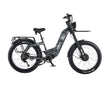
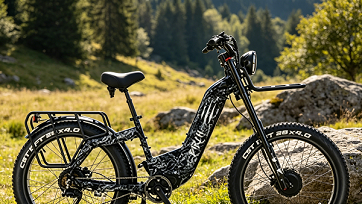
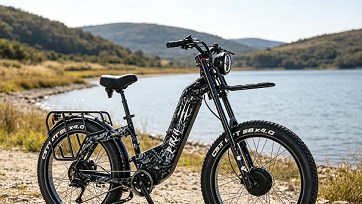
After spending a season riding an all-terrain eBike, that same ridge became one of my favorite access routes.

It wasn't because the hill got any smaller.
It was because I arrived with more energy, more time, and a clearer mind.
Here's what changed—and what I wish someone had told me before I started hunting with an eBike.
The Ridge That Never Seemed Worth the Effort
The climb isn't particularly long.
It's less than a mile from the trailhead.
But it gains roughly 600 feet in elevation, with loose gravel, exposed roots, and several sections steep enough that I used to stop halfway just to catch my breath.
Whenever I carried a backpack loaded with climbing sticks, extra layers, water, and a trail camera, the climb felt even longer.
Eventually, without realizing it, I started planning my hunts around avoiding that hill.
I'd hunt the lower timber instead.
I'd choose longer—but flatter—routes.
I'd convince myself the deer were probably using easier terrain anyway.
Looking back, I wasn't avoiding the ridge because it was difficult.
I was avoiding it because getting there consumed energy I wanted to save for the hunt.

The First Ride Changed My Expectations
When I bought my first hunting eBike, I expected it to make climbing easier.
I didn't expect it to change the way I planned an entire day's hunt.
The first morning I pointed the bike toward that familiar ridge, I left the motor in Turbo mode almost the entire climb.
Yes, I reached the top faster.
But by lunchtime, I realized I'd used much more battery than necessary.
That first ride taught me an important lesson:
The smartest way to ride an eBike isn't always the fastest.
Now I usually ride:
- Eco mode on logging roads and flat terrain to maximize battery range.
- Trail mode for rolling hills and moderate climbs.
- Turbo mode only for short, steep sections where extra torque really matters.
That simple adjustment noticeably improved my battery life while still making the climb feel easy.
What Actually Makes Climbing Feel Easier?
Many people assume an eBike simply "does the work for you."
That's not really how it feels.
You're still pedaling.
You're still choosing your line through loose rocks and roots.
The difference is that pedal assist adds power to every pedal stroke, helping maintain momentum on steep grades without forcing you to grind through every rotation.
On rough hunting trails, that matters.
Maintaining momentum often means better traction, smoother climbing, and less wasted energy—especially when carrying extra weight.
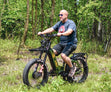
Rather than arriving exhausted, I reached the top breathing normally and ready to start glassing instead of recovering.
Saving Energy Is More Valuable Than Saving Time
People often ask how much faster I can reach my hunting spot.
Honestly, speed isn't what impressed me.
Energy is.
On foot, that climb usually took me around 35–40 minutes with a loaded pack.
With pedal assist, I can often reach the same overlook in about 20 minutes.
The bigger difference isn't those 15 or 20 minutes.
It's how I feel when I get there.
Instead of sitting on a log waiting for my breathing to slow down, I'm immediately checking fresh tracks, studying wind direction, and listening for movement.
The hunt begins sooner because my body isn't asking for a break.
Carrying Hunting Gear No Longer Feels Like a Compromise
One of the biggest surprises was how much easier it became to bring the gear I actually wanted.
Trail cameras.
Climbing sticks.
A lightweight treestand.
Extra cold-weather layers.
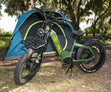
Camping equipment for overnight trips.
The equipment itself doesn't weigh any less.
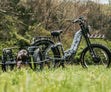
But riding an all-terrain eBike means that extra weight has much less impact on the ride.
Instead of debating whether an item is worth carrying, I can focus on whether it will help me hunt more effectively.
The Quiet Ride Changed the Way I Scout
One concern I had before buying an eBike was noise.
Compared to an ATV, though, the difference is significant.
An eBike still makes sound—mainly from tires rolling over dirt, gravel, or leaves—but it's far quieter than a gas-powered vehicle.
That quieter approach has changed how I scout.
I stop more often.
I notice fresh rubs and tracks I might have missed before.
I spend more time observing and less time rushing to reach a destination.
Ironically, slowing down has made me a better hunter.
An eBike Isn't the Right Tool for Every Hunter
After using one regularly, I'd also say this:
An eBike isn't a magic solution.
If you're hunting a small property where every stand is only a few hundred yards away, you may not gain much advantage.
Very muddy trails after heavy rain can still require walking sections.
Cold temperatures can reduce battery range, especially during late-season hunts.
And if you're riding deep into remote country, carrying a charger or spare battery becomes part of your planning.
Like any hunting tool, understanding its limitations is just as important as appreciating its strengths.
Five Things Nobody Told Me Before I Started Hunting with an eBike
1. The ride home often uses more energy than the ride in.
Hauling gear—or hopefully game—changes how the bike handles and can increase battery consumption.
2. Battery management becomes part of your hunting strategy.
Using lower assist levels whenever possible can extend your range much farther than relying on maximum power all day.
3. Tire pressure matters more than I expected.
Running slightly lower pressure on loose gravel or forest roads improves traction and comfort without sacrificing control.
4. You'll probably scout more often.
Because getting into the woods becomes easier, short evening scouting trips suddenly feel worthwhile.
5. You may discover places you've ignored for years.
Not because they've changed—but because your willingness to explore them has.
Tips for Riding Steep Terrain with an eBike
If you're planning to tackle steep hunting trails, these habits have made the biggest difference for me:
- Shift into an easier gear before the climb begins rather than under heavy load.
- Use Eco mode whenever possible and save higher assist levels for the steepest sections.
- Keep your weight centered to maintain traction on loose surfaces.
- Check tire pressure before every ride, especially on rocky trails.
- Carry a spare tube, multi-tool, mini pump, and basic repair kit.
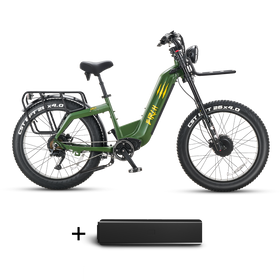
- If you're planning an all-day scouting trip, consider bringing a second battery or mapping out charging opportunities.
Small adjustments like these improve efficiency and help you ride farther with more confidence.
Frequently Asked Questions
Are eBikes good for steep hills?
Yes. Pedal assist helps riders maintain momentum and reduce fatigue on climbs, especially when carrying hunting gear. You'll still need to pedal, but the effort required is significantly reduced compared to a traditional bike.
Do eBikes scare deer?
In my experience, an eBike is noticeably quieter than an ATV. While any movement or sound can alert wildlife, approaching slowly and paying attention to wind direction remain far more important than the bike itself.
How much battery does hill climbing use?
Steep climbs consume more battery than flat terrain, particularly when using higher assist levels. Riding in Eco or Trail mode whenever conditions allow can significantly extend your range.
Is an eBike worth it for hunting?
If your hunting areas involve long approaches, steep terrain, or carrying heavy gear, an eBike can make accessing those locations easier while helping you conserve energy for the hunt itself. If your hunting spots are only a short walk from your vehicle, the benefits may be less noticeable.
The Ridge I No Longer Avoid
That ridge hasn't changed.
It's still steep.
The rocks are still loose.
The climb still demands attention.
The difference is that it no longer feels like something I have to endure before the hunt begins.
Instead, it's become part of the experience I actually enjoy.
For me, an eBike didn't make hunting easier.
It made me more willing to explore the places I'd quietly stopped visiting.
And looking back, those overlooked places turned out to be some of the most rewarding ground I've hunted.
Sometimes, the best upgrade isn't going farther.
It's rediscovering the terrain you almost forgot.



Leave a comment
All comments are moderated before being published.
This site is protected by hCaptcha and the hCaptcha Privacy Policy and Terms of Service apply.